Nearly 60% of Global EV Market Value Is Concentrated in Asia Pacific: Shifting from "Scaling Up" to "Long-Term Operations" in EV Charging
The global electric vehicle (EV) market is projected to experience significant growth, expanding from $833.2 billion in 2026 to $2.1695 trillion by 2033 (at a compound annual growth rate of 14.7%), with Asia Pacific accounting for over 58% of global market value. However, as EV adoption accelerates, the focus of industry competition is shifting from mere vehicle sales to the operational reliability of charging stations and grid dispatch management; consequently, charging station operators must move away from a mindset of pursuing scale alone and fully transition to a long-term operational model centered on stable profitability and intelligent operations.
(Image source / Magnific)
Current State of the Global Market|Four Key Drivers and the Dominant Role of the Asia-Pacific Region
A report by the international industry research firm Persistence Market Research indicates that the robust growth of the electric vehicle market is primarily driven by the following four key factors:
- Breakthroughs in technology and cost: the energy density of lithium-ion batteries has increased and charging times have been reduced; meanwhile, the full-lifecycle maintenance and operating costs of electric vehicles can be up to 50% lower than those of traditional internal combustion engine vehicles.
- Highly integrated supply chain: Taking BYD as an example, the company—leveraging a vertical integration model that encompasses battery production and logistics—saw its new energy vehicle sales surpass 1 million units in the first quarter of 2025 (a year-on-year increase of 59.8%) and set an annual export target of 800,000 units.
- National policies and emissions regulations: More than 85% of global vehicle sales are subject to strict carbon emission standards. In 2024, electric vehicle sales in China exceeded 11 million units; meanwhile, India has set a target of achieving a 30% electric vehicle penetration rate by 2030.
- Asia Pacific leads the world: Asia Pacific accounts for 58% of global EV market value, making it the core engine of both EV manufacturing and consumption — and the source of the figure cited at the top of this article.
*The figures above are drawn directly from the Persistence Market Research report. The analysis below reflects eTreego's own perspective from within the charging industry.
The Turning Point | Three Key Signals Behind the Data for the Charging Industry
Shifting the perspective from automakers back to the charging infrastructure industry, data indicates that the market is undergoing a critical qualitative transformation:
- Charging equipment is becoming regulated, standard infrastructure:
An increasing number of national and local governments are mandating the installation or pre-installation of charging facilities in new buildings and commercial premises; the role of charging stations has shifted from an optional "value-added service" to essential "standard infrastructure.” - The growth rate of electric vehicles has outpaced the expansion of infrastructure:
The explosive growth in the number of vehicles has placed immense pressure on the pace of charging station deployment and equipment reliability. A poor charging experience will directly become a bottleneck limiting the continued adoption of electric vehicles. - The pressure of industrial competition is shifting from vehicles to charging stations:
****As the range of electric vehicle options on the market expands, the daily pain points for owners have shifted from "which car to buy" to "finding a charging station, whether it works, and whether the charging speed is fast enough.”
Real-World Challenges for Charging Network Operators
From the perspective of charging equipment suppliers and station operators, the surge in the number of electric vehicles will directly trigger two major operational pain points:
| Pain Points | Specific challenges and impacts | Limitations of traditional practices |
|---|---|---|
| 1. Regional Power Grid Capacity and Cost Pressures | Simultaneous charging of multiple electric vehicles during peak hours can easily lead to power outages or exceed contracted capacity limits, triggering hefty surcharges for exceeding capacity. | Applying for an excessively high contracted capacity without adequate assessment will significantly increase fixed electricity costs and reduce the profitability of the site. |
| 2. Equipment Failure Rate and Customer Churn | High-frequency usage accelerates equipment wear and tear; if insufficient equipment stability leads to downtime, it results not only in lost revenue from electricity sales but also damages customer loyalty. | Relying solely on reactive maintenance cannot meet the demands of high turnover rates, as it lacks preventive maintenance and robust hardware support. |
Key Strategy for Stable Returns|Robust Hardware × Smart Grid Dispatch
To address long-term operational challenges, facility operators require hardware equipment that combines high reliability with intelligent management capabilities:
- High-Power Fast-Charging Technology
This technology utilizes high-efficiency fast-charging modules to significantly reduce individual vehicle charging times, thereby markedly increasing the turnover rate of chargers and the number of vehicles serviced daily at each site. - Non-Uniform, Dynamic Current Allocation (Smart Grid Dispatch)
The equipment must feature intelligent dynamic power allocation technology, capable of automatically distributing power based on the real-time demands of the vehicles. This not only maximizes charging efficiency within limited power capacity but also effectively reduces operating costs by eliminating the need to apply for a high contracted capacity. - Integration of Solar-Storage-Charging Systems with the Power Grid
By combining solar power with battery energy storage systems (BESS) to achieve "peak shaving and valley filling," fast-charging stations can operate smoothly even in high-demand areas with grid capacity constraints, thereby creating highly profitable charging sites.
Global Development Trends in Key Powertrain Technologies for Electric Vehicles
Across the entire ecosystem, vehicles with different types of powertrains have varying requirements for charging infrastructure:
-
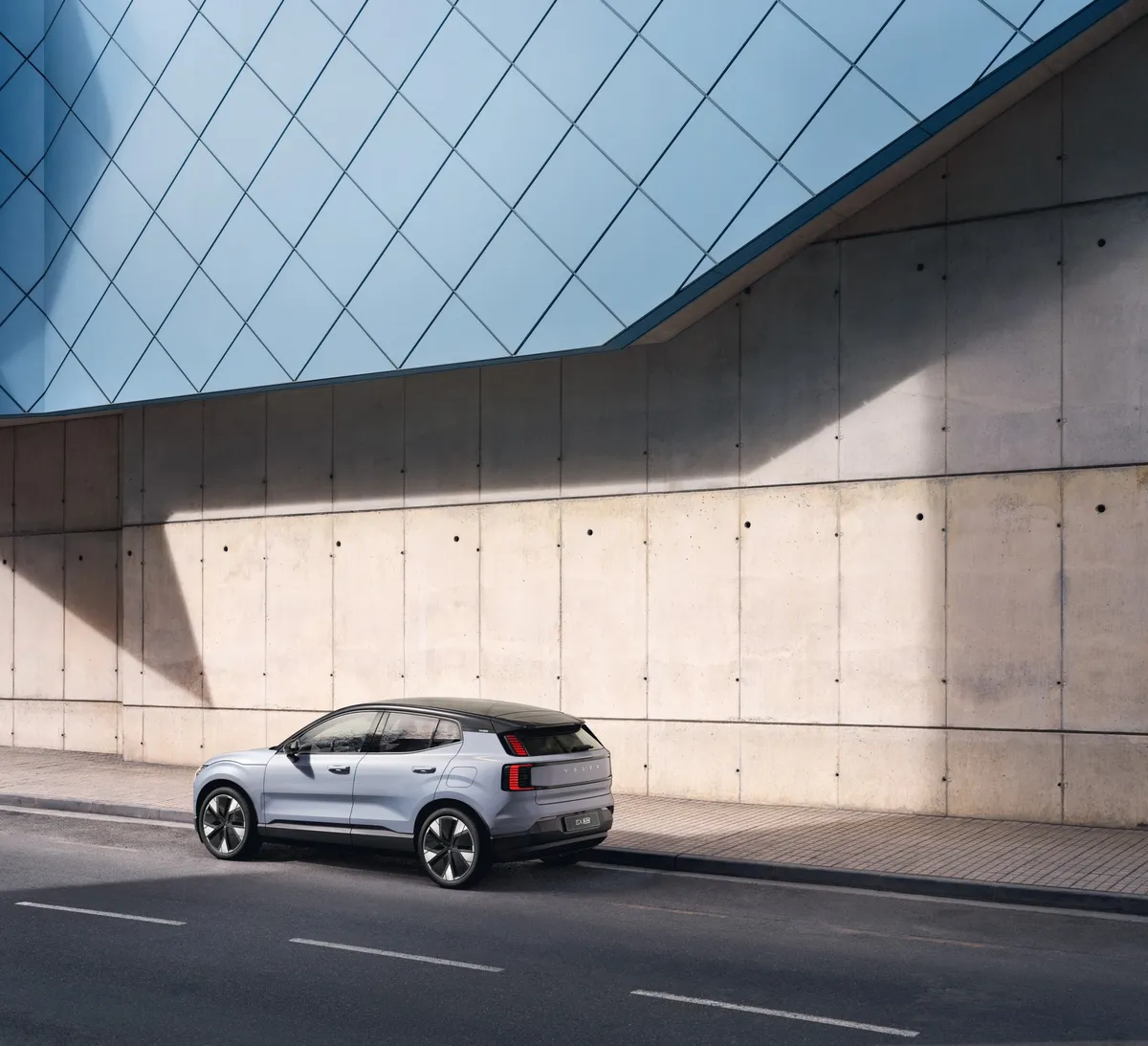
Battery Electric Vehicles (BEV): Powered by batteries and electric motors, these vehicles do not consume gasoline and require charging at charging stations. Accounting for approximately 45% of the global market share, they currently dominate the market, thereby driving large-scale demand for the installation of public fast-charging stations and community slow-charging facilities.
(Image source / Volvo) -
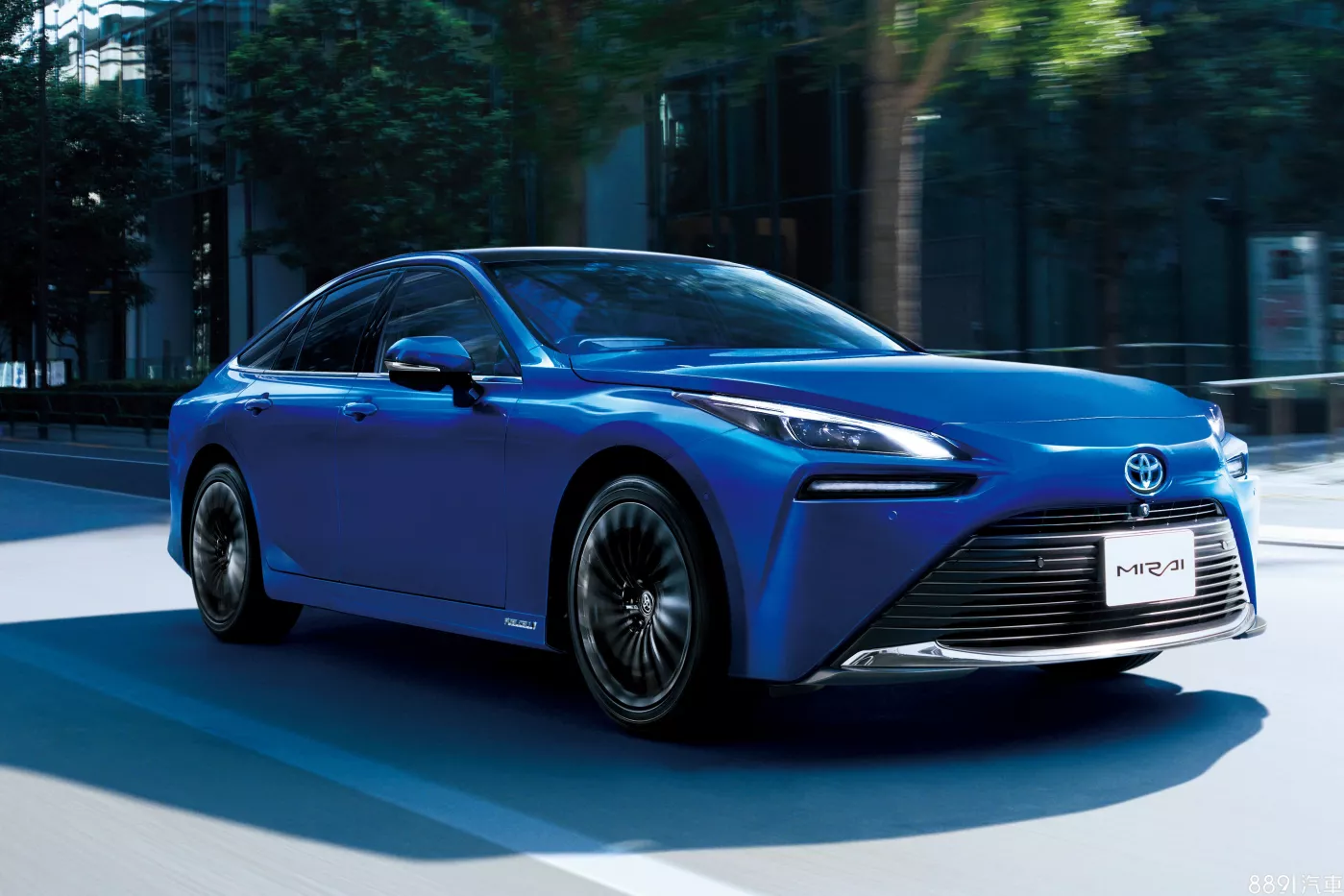
Fuel Cell Electric Vehicles (FCEV): The fastest-growing type of powertrain. They generate electricity by triggering a chemical reaction between on-board hydrogen and atmospheric oxygen within a fuel cell, which then powers an electric motor. Primarily utilized in long-haul freight and heavy-duty commercial sectors, these vehicles complement battery electric vehicles (BEVs) that rely on rapid charging.
(Image source / Toyota) -
Plug-in Hybrid Electric Vehicles (PHEV): Equipped with both a gasoline engine and an electric motor, these vehicles offer flexible powertrain options and serve as an ideal transitional choice for regions where charging infrastructure is not yet fully developed.

(Image source / Mercedes-Benz)
Conclusions and Industry Discussion
As the electric vehicle market matures, the key to success lies not merely in the number of charging stations, but in their ability to operate reliably and generate sustained profits. To maximize commercial value within the constraints of grid capacity, high-quality charging hardware must be combined with intelligent power dispatching.
Want to find the smart charging solution best suited to your site? Contact an eTreego product consultant today, and let us help you build a long-term operating strategy for stable, profitable charging stations.